AI agent that analyzes traffic flow, composition, and origin
destination patterns—converting video feeds to traffic intelligence.
Manual surveys are slow, incomplete, and outdated—leaving
planners without the visibility needed for smart decisions.
Traditional traffic surveys are manual, time-consuming, and outdated the moment they're completed.
Manual counts capture volume but miss lane-wise distribution, turning movements, and vehicle composition.
Network planning and intersection redesign lack continuous data. Congestion causes remain unclear.
RoadVision AI converts existing cameras into continuous traffic intelligence.
Watch the AI pipeline process your traffic data autonomously.
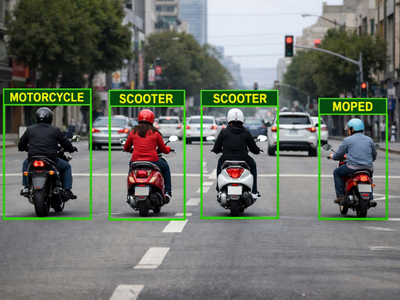
Motorcycles, scooters, and mopeds
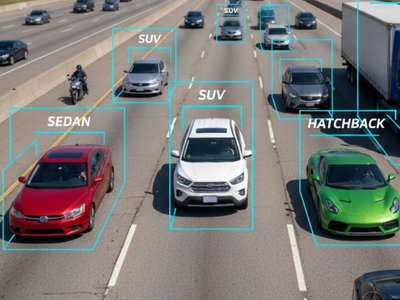
Sedans, SUVs, and vans
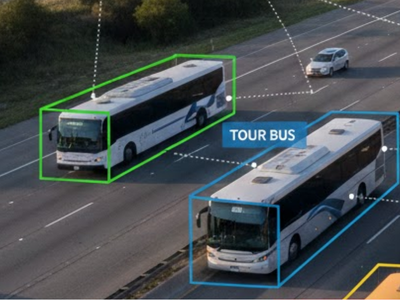
Public and private buses
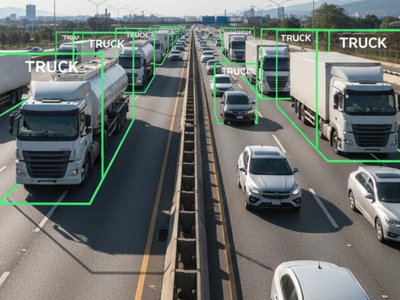
Heavy commercial vehicles
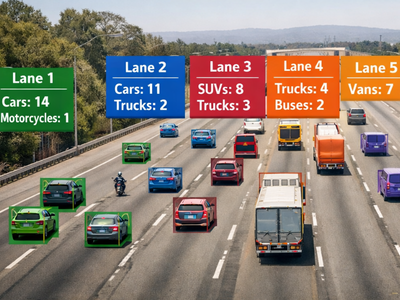
Vehicle counts by type and lane
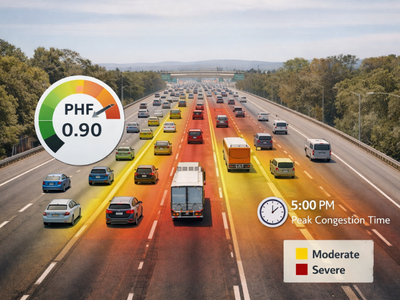
PHF and congestion patterns
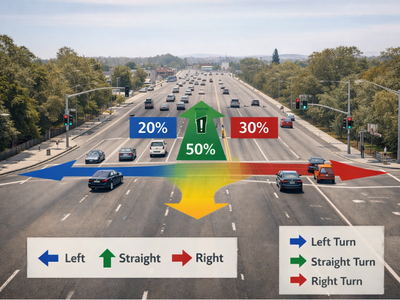
Directional distribution at junctions
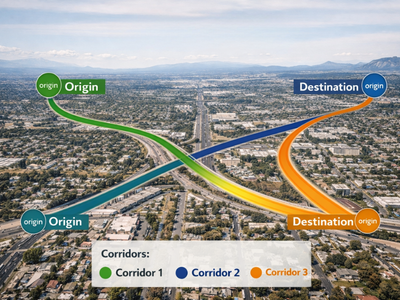
Travel patterns and corridors
Motorcycles, scooters, and mopeds
Sedans, SUVs, and vans
Public and private buses
Heavy commercial vehicles
Vehicle counts by type and lane
PHF and congestion patterns
Directional distribution at junctions
Travel patterns and corridors
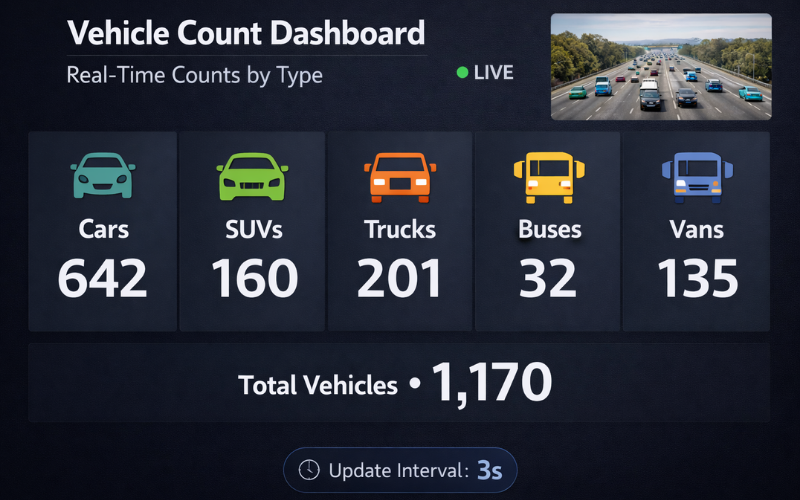
Total vehicles by type with real-time counts
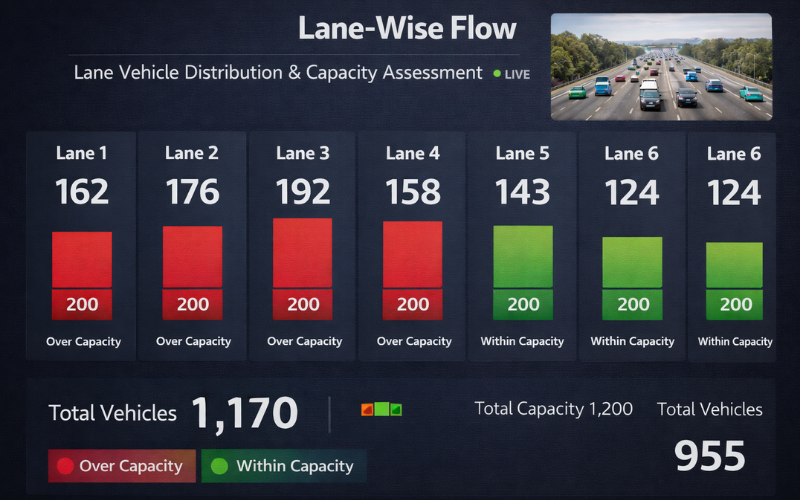
Per-lane vehicle distribution and capacity assessment
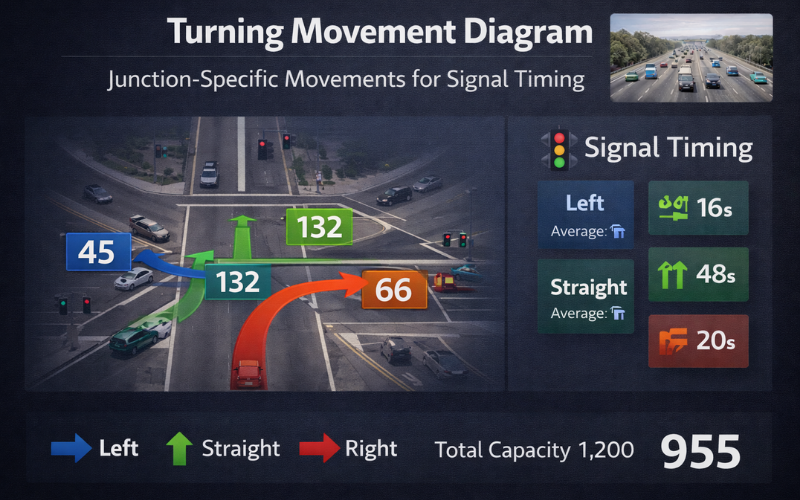
Junction-specific movements for signal timing
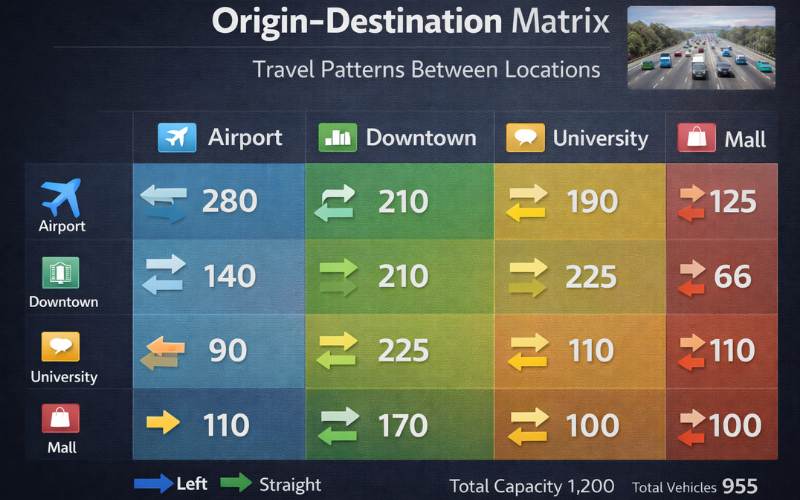
Travel patterns between locations
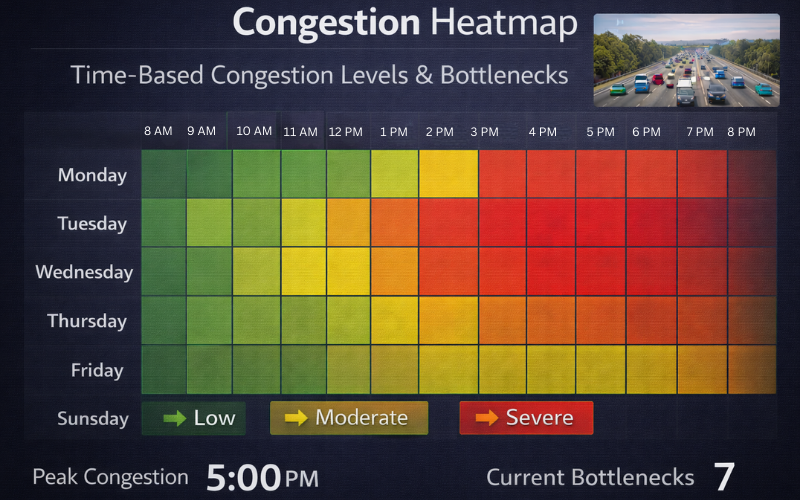
Time-based congestion levels and bottlenecks
Your data is portable. Your system is future-proof.

Continuous traffic visibility for management and enforcement.
Accurate, granular traffic data for planning and design.
Detailed turning movements and vehicle composition for design.
Understand usage patterns and congestion.
No. The agent works with existing CCTV and IP cameras. No new hardware required.
Yes, for most continuous and recurring analysis needs. Provides year-round data vs. typical 7-14 day manual surveys.
Accuracy exceeds 95% for vehicle counting and classification under good visibility conditions.
Yes. Designed specifically for Indian traffic conditions with mixed vehicle types and non-lane-based behavior.