
Rural roads are vital connectors for communities, yet they remain among the most dangerous parts of the transport network. Limited monitoring, poor infrastructure, and lack of real-time insights contribute to higher fatality rates despite lower traffic volumes.
Today, Blackspot Identification is evolving beyond traditional methods. With the integration of AI-based road safety, planners can now detect risks proactively, prioritize interventions, and improve outcomes at scale.
A blackspot is a location where road conditions and patterns indicate a high probability of accidents. Traditionally identified through crash data, modern approaches now rely on predictive crash analytics and AI-powered traffic analysis to detect risks even before incidents occur.
On rural roads, where data is scarce, AI plays a crucial role in identifying hidden hazards.
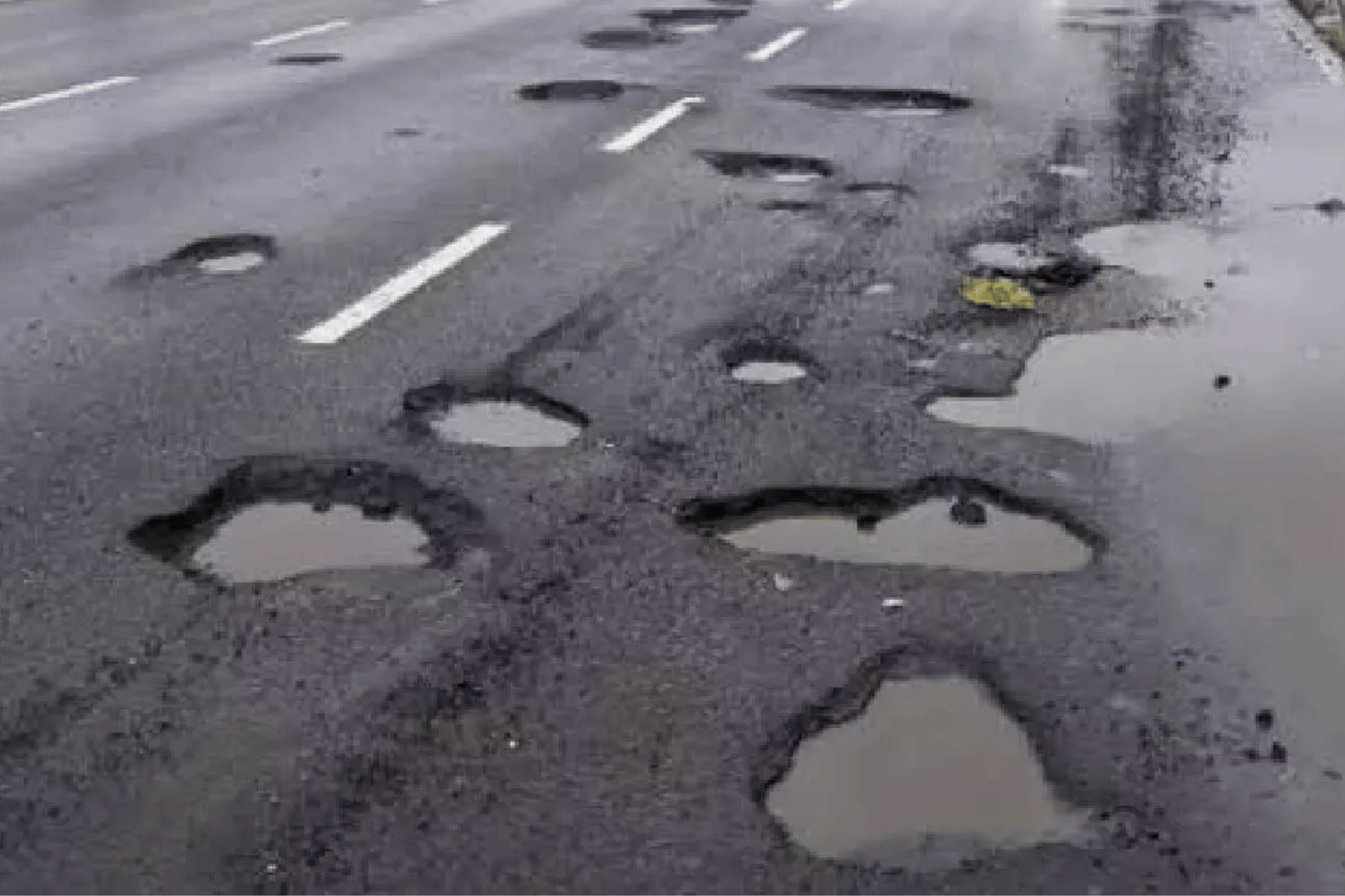
Low-volume roads often lack structured monitoring systems, making it difficult to identify high-risk zones early. With AI-driven risk assessment, authorities can:
This shift enables a move from reactive fixes to proactive safety management.
Traditional systems rely heavily on crash records. AI overcomes this by using computer vision road analysis to extract insights from video and imagery.
Manual inspections are slow and expensive. Smart road monitoring systems allow continuous and scalable data collection.
Weather, terrain, and usage patterns change frequently. Predictive crash analytics helps adapt to these variations in real time.
Budget constraints demand efficient solutions. AI enables targeted interventions through accurate AI-driven risk assessment.
Using cameras and sensors, computer vision road analysis identifies:
This enables continuous monitoring without manual effort.
Instead of relying only on past crashes, predictive crash analytics evaluates:
This helps forecast high-risk locations before accidents happen.
With automated road inspection, large rural networks can be analyzed efficiently. AI processes video data to detect issues and flag potential blackspots.
Smart road monitoring systems combine multiple data sources to provide:
AI not only identifies risks but also helps prioritize solutions such as:
These targeted interventions significantly improve AI-based road safety outcomes.
Blackspot Identification on rural roads is no longer limited to historical analysis—it is becoming a predictive, AI-driven process. By adopting AI-based road safety, transport planners can proactively identify risks, prioritize interventions, and significantly reduce accidents.
This is where solutions like RoadVision AI are shaping the future of road infrastructure management. By combining vision intelligence and language intelligence, such platforms enable automated detection of road conditions, assets, and safety risks at scale. With capabilities like automated road inspection, predictive crash analytics, and AI-powered blackspot analysis, they allow governments and infrastructure agencies to transition from manual, reactive processes to autonomous, data-driven decision-making.
As rural road networks continue to expand, integrating intelligent systems will be essential. Leveraging tools that enable continuous monitoring, real-time insights, and scalable AI-driven risk assessment can ensure safer roads, better planning, and more resilient infrastructure for the future.
Upgrade your Blackspot Identification with AI-based road safety — Book a demo with RoadVision AI today.
AI helps identify high-risk locations even when crash data is limited or incomplete. Using technologies like computer vision road analysis and predictive crash analytics, authorities can detect unsafe road conditions, hazardous geometry, missing signage, and other risk factors proactively instead of waiting for accidents to occur.
AI systems collect data through cameras, sensors, and mobile devices installed on vehicles or infrastructure. The system then uses AI-powered traffic analysis and automated road inspection to detect defects, analyze traffic patterns, assess risks, and generate safety scores for different road sections. This enables faster and more scalable blackspot detection across rural networks.
AI-driven blackspot analysis improves early risk detection, reduces dependence on manual inspections, enables better prioritization of safety investments, and supports continuous monitoring of large rural road networks. This leads to safer roads, more efficient maintenance planning, and better long-term infrastructure management.
The Autonomous Road Engineer
AI-powered road condition monitoring, asset management, & infrastructure intelligence helping agencies move from reactive maintenance to predictive road management.


.webp)
.webp)
.webp)