
Large infrastructure projects—highways, bridges, transit corridors, and smart urban developments—stand at the heart of economic growth. Yet delays in these projects often trigger cost overruns, public inconvenience, and prolonged disruption. As project scopes expand and timelines stretch, traditional monitoring methods frequently fall short.
Today, AI-based construction monitoring is revolutionizing how delays are prevented. By integrating machine learning with advanced construction intelligence tools, agencies can foresee risks early and act before problems snowball. As the old saying goes, "Forewarned is forearmed."
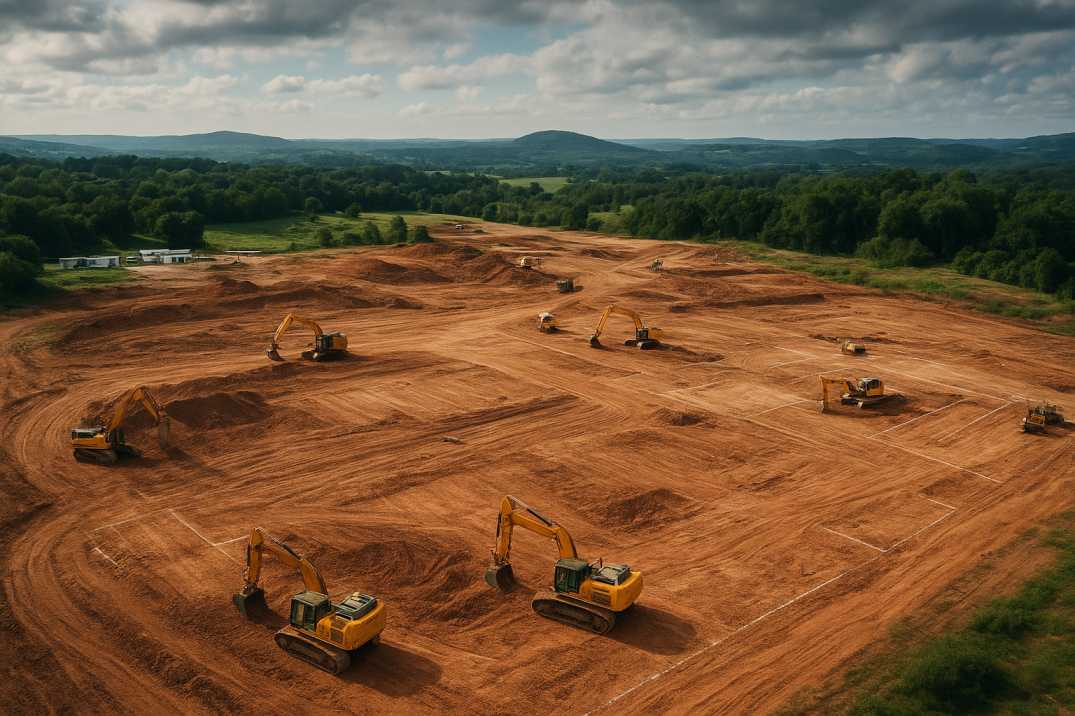
Mega construction projects involve complex coordination between design teams, contractors, regulators, and suppliers. Delays typically stem from:
Traditional monitoring methods rely heavily on periodic manual checks, which are slow, subjective, and susceptible to human error. This is where AI-driven automation through the Pavement Condition Intelligence Agent changes the game, offering real-time clarity across every stage of project execution.
2.1 Financial Impacts
2.2 Social Impacts
2.3 Reputational Impacts
While global monitoring frameworks vary, international agencies increasingly look to the robust technical principles of the Indian Roads Congress for guidance, particularly regarding:
3.1 Accuracy and Objectivity in Site Reporting
Monitoring practices must capture true progress without bias. IRC provisions emphasize transparency and standardization—principles well-suited for AI automation through the Pavement Condition Intelligence Agent.
3.2 Lifecycle-Based Infrastructure Planning
Infrastructure must be tracked from construction through operation. AI supports lifecycle analytics, linking construction decisions with long-term performance.
3.3 Quality Assurance Through Continuous Monitoring
IRC codes promote repeatable, data-backed quality verification. AI platforms through the Road Safety Audit Agent operationalize this using real-time imaging, surface deformation analysis, and automated defect detection.
3.4 Predictive Risk Assessment
Modern standards encourage proactive rather than reactive risk mitigation. AI predictive models help anticipate challenges such as material shortages, structural stress, or schedule slippage.
3.5 Compliance and Documentation Integrity
Digital records, automated logs, and continuously updated site data align with global expectations for transparency and audit readiness.
4.1 Schedule Risk Analysis
Machine learning models analyze project schedules to identify critical path activities with highest delay risk, flagging activities with insufficient float or resource constraints.
4.2 Resource Forecasting
AI predicts resource shortages by analyzing:
4.3 Progress Tracking
Computer vision through the Pavement Condition Intelligence Agent compares planned vs. actual progress from:
4.4 Weather Impact Modelling
AI correlates historical weather data with construction productivity to predict delays from forecasted conditions.
4.5 Contractor Performance Analysis
Machine learning identifies patterns in contractor performance that may indicate future delays, including past project history, current resource allocation, and subcontractor management.
RoadVision AI operationalizes IRC-aligned principles by embedding intelligence across construction workflows through its integrated suite of AI agents. Its best practices include:
5.1 Real-Time Construction Monitoring
The Pavement Condition Intelligence Agent uses drones, LiDAR, IoT sensors, and computer vision models to detect pavement settlement, structural deformation, and site safety deviations instantly.
5.2 Predictive Analytics for Schedule Optimization
Machine learning models forecast weather impacts, resource shortages, and labour inefficiencies weeks or even months in advance. This early foresight empowers teams to pre-empt delays.
5.3 Digital Twins for Progress Verification
The Roadside Assets Inventory Agent creates a dynamic digital twin of construction sites, enabling engineers to:
5.4 Automated Road Construction Surveys
AI-enabled defect detection tools provide objective assessments of:
—critical for ensuring IRC compliance through the Pavement Condition Intelligence Agent.
5.5 Data-Driven Collaboration and Reporting
Reports are automated, standardized, and instantly shareable, strengthening contractor accountability and reducing coordination gaps. The Traffic Analysis Agent integrates site access and logistics data.
5.6 Supply Chain Visibility
AI tracks material deliveries against schedules, predicting shortages before they impact critical path activities.
5.7 Labour Productivity Analysis
Machine learning identifies productivity trends across crews and shifts, flagging underperformance for investigation.
In short, RoadVision AI helps agencies "nip problems in the bud" before they grow into costly delays.
6.1 Highway Construction
Monitoring earthwork progress, pavement layer placement, and bridge construction against schedules. AI detects slow-progressing sections requiring additional resources.
6.2 Bridge and Structure Projects
Tracking structural element completion, concrete curing, and falsework erection. AI predicts weather impacts on critical pours.
6.3 Urban Infrastructure
Coordinating utility relocation, roadworks, and traffic management. AI optimizes sequencing to minimize disruption.
6.4 Airport and Port Projects
Monitoring large-scale earthworks, pavement construction, and facility erection across expansive sites with complex logistics.
Despite its transformative power, AI-driven monitoring faces several on-ground challenges:
7.1 Data Overload and Fragmentation
Large projects generate massive datasets from drones, sensors, and cameras. Without unified platforms, this data becomes difficult to interpret.
AI Solution: Centralized platforms through RoadVision AI integrate all data sources for cohesive analysis.
7.2 Connectivity and Remote Terrain Constraints
Sites in rural or mountainous regions may struggle with real-time data transmission.
AI Solution: Offline-first data capture with automatic synchronization when connectivity returns.
7.3 Change Management
Shifting from manual to digital monitoring requires cultural and operational adjustments among contractors and field teams.
AI Solution: Comprehensive training and user-friendly interfaces ensure successful adoption.
7.4 Integration with Legacy Systems
Existing workflows may not be immediately compatible with advanced digital tools.
AI Solution: Flexible APIs and export formats enable gradual integration without disrupting current operations.
7.5 Regulatory Standardization
Many jurisdictions are still updating procurement frameworks to fully accommodate AI-based systems.
AI Solution: Demonstrated compliance with IRC and other standards builds regulatory confidence.
7.6 Data Security
Project data requires protection from unauthorized access and cyber threats.
AI Solution: Built-in security protocols ensure data integrity and confidentiality.
8.1 For Project Owners
8.2 For Contractors
8.3 For Communities
Infrastructure delays are no longer an unavoidable reality. With AI-based construction monitoring, governments and contractors gain unprecedented visibility, precision, and foresight through the Pavement Condition Intelligence Agent, Traffic Analysis Agent, and Roadside Assets Inventory Agent. By aligning with IRC principles and global best practices, AI tools ensure that every stage—from excavation to surfacing—is executed with accuracy and accountability.
The platform's ability to:
transforms how large infrastructure projects are managed from conception to completion.
Platforms like RoadVision AI bring the future of infrastructure development into the present. Through advanced computer vision, predictive analytics, and digital twin technology, it enables early detection of construction anomalies, optimizes timelines, and enhances sustainability. As the proverb goes, "A smooth sea never made a skilled sailor," and today's complex infrastructure challenges demand equally sophisticated digital solutions.
Ready to build faster, smarter, and more resilient infrastructure? Book a demo with RoadVision AI today and unlock the power of predictive project delivery.
Q1. How does AI prevent delays in construction projects?
AI monitors real-time progress, predicts risks, and provides early alerts, allowing corrective action before delays occur.
Q2. What are AI construction monitoring tools?
These are digital systems like drones, LiDAR, and predictive algorithms that track project performance and detect potential risks.
Q3. Why is smart roads AI important?
Smart roads AI ensures that both construction and long-term maintenance are optimized, enhancing durability and cost efficiency.
The Autonomous Road Engineer
AI-powered road condition monitoring, asset management, & infrastructure intelligence helping agencies move from reactive maintenance to predictive road management.


.webp)
.webp)
.webp)