
Keeping the UK's road network in good shape is no small feat. Every day, thousands of vehicles depend on smooth, safe, and compliant pavements—yet ageing infrastructure, budget constraints, and growing traffic volumes make this harder than ever. Pavement roughness is more than just an inconvenience; it affects safety, increases vehicle operating costs, and influences whether networks meet performance requirements set by bodies such as the Department for Transport.
Traditional roughness surveys, while well-established, are labour-intensive and can miss subtle deterioration. This is where Artificial Intelligence is stepping in. As the saying goes, "a stitch in time saves nine," and AI equips asset managers with the insight needed to intervene early—before small defects turn into costly failures.
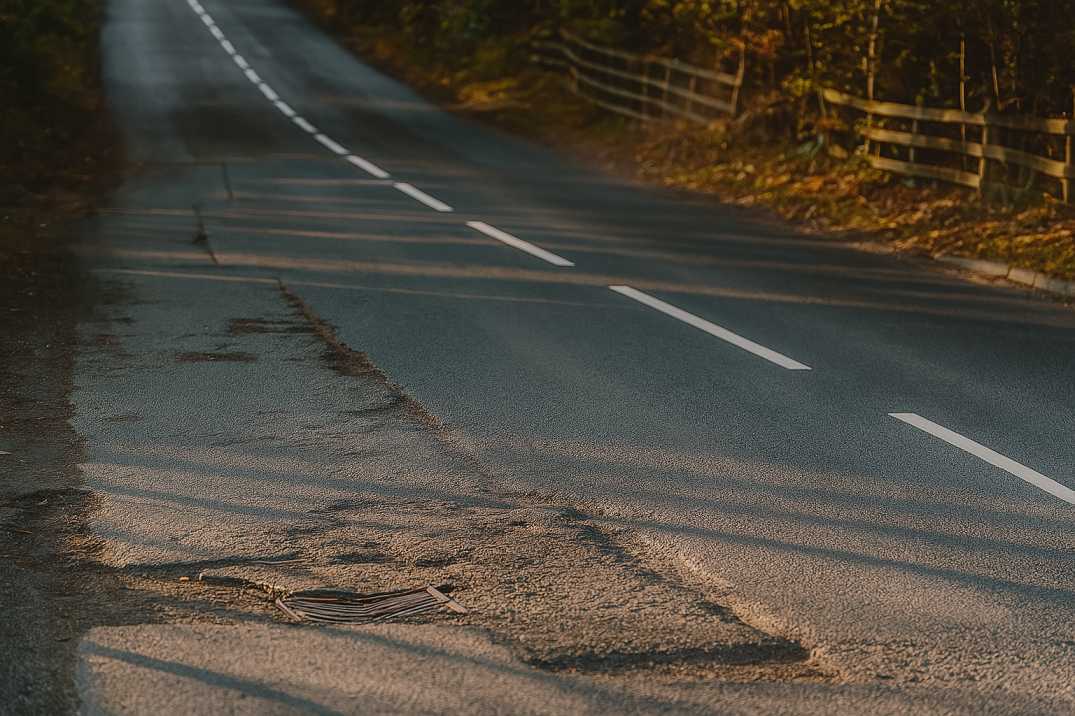
In the UK, pavement roughness is primarily evaluated using the International Roughness Index (IRI). This metric plays a critical role in:
A high IRI value can signal potential hazards, driver discomfort, and long-term structural issues. Councils, contractors, and highway authorities rely on accurate roughness assessments to remain compliant and plan interventions before problems escalate.
2.1 What Is Pavement Roughness?
Pavement roughness refers to deviations in the pavement surface that affect ride quality. It is quantified by the International Roughness Index (IRI), which measures accumulated longitudinal profile in millimetres per kilometre (mm/km). Lower values indicate smoother pavements and better ride quality.
2.2 How IRI Is Calculated
2.3 IRI Thresholds for UK Roads
For motorways, IRI values below 2.5 mm/km are considered good, values between 2.5 and 3.5 are acceptable, and values above 3.5 require intervention. For A roads, the thresholds are below 3.0 for good, 3.0 to 4.5 for acceptable, and above 4.5 requiring intervention. For B and C roads, good is below 4.0, acceptable is 4.0 to 5.5, and intervention is required above 5.5. These values are indicative; actual thresholds vary by authority.
The International Roughness Index measures the longitudinal profile of a pavement and expresses how "smooth" or "rough" a road is. Traditionally, IRI has been collected via specialist survey vehicles using laser profilometers mounted on dedicated survey vehicles, inertial measurement systems to compensate for vehicle motion, and high-speed data collection at traffic speeds.
However, modern AI-based systems through the Pavement Condition Intelligence Agent enhance these principles using:
While IRI remains the benchmark metric, AI improves the fidelity, repeatability, and interpretability of roughness assessments. In other words, AI takes the framework of traditional measurements and supercharges it—turning raw data into actionable intelligence.
4.1 Construction Factors
Layer thickness variations, compaction inconsistencies, joint construction quality, and material segregation can all contribute to initial pavement roughness that affects ride quality throughout the pavement's life.
4.2 Traffic Factors
Heavy vehicle loading accelerates deformation, channelised traffic causes rutting, seasonal variations in freight movements create uneven wear patterns, and speed profiles affect dynamic loading on the pavement structure.
4.3 Environmental Factors
Freeze-thaw cycles causing frost heave, temperature extremes affecting bitumen properties, moisture infiltration weakening layers, and vegetation root intrusion can all degrade pavement smoothness over time.
4.4 Deterioration Mechanisms
Fatigue cracking affecting profile, rutting from plastic deformation, pothole formation, and settlement or heave from subgrade issues all contribute to increasing roughness.
A modern digital pavement monitoring ecosystem goes far beyond manual surveys. The best-practice approach includes:
5.1 Continuous, Real-Time Data Capture
AI-enabled survey vehicles through the Pavement Condition Intelligence Agent record roughness, texture, cracking, and deformation without interrupting traffic. This avoids costly closures and ensures that data represents real-world conditions.
5.2 Seamless Integration with Road Asset Inventories
Digital platforms through the Roadside Assets Inventory Agent synchronise roughness values with GIS road networks, enabling councils to maintain an up-to-date digital twin of their assets.
5.3 Predictive Maintenance Modelling
Machine-learning algorithms forecast deterioration patterns, allowing councils to plan interventions well before pavement conditions fall below regulatory thresholds.
5.4 Objective, Auditable Reporting
AI reduces subjectivity, ensuring consistent compliance evidence for performance-based maintenance contracts.
5.5 Multi-Source Data Fusion
Integration of inertial profiler data, visual imagery for defect confirmation, traffic loading from the Traffic Analysis Agent, and historical condition records provides a comprehensive view of pavement performance.
5.6 Network-Level Screening
AI enables cost-effective network-wide assessment, identifying sections requiring detailed investigation without the expense of comprehensive coverage with specialist equipment.
RoadVision AI exemplifies these practices through its integrated suite of AI agents:
6.1 High-Resolution Sensors + AI Analytics
The Pavement Condition Intelligence Agent provides precision roughness measurement using laser profilometry for accurate IRI, computer vision for defect correlation, machine learning for classification, and real-time data validation.
6.2 Real-Time Defect Detection
Simultaneous detection of potholes and edge failures, cracks and joint deterioration, rutting and deformation, and surface undulations that affect roughness ensures a complete picture of pavement condition.
6.3 Predictive Deterioration Modelling
AI models forecast future IRI values under different scenarios, predict when roughness will exceed thresholds, determine optimal intervention timing, and calculate budget requirements for maintaining target condition levels.
6.4 Traffic Data Integration
The Traffic Analysis Agent enables engineers to understand how traffic composition affects pavement wear, heavy vehicle loading impacts on roughness progression, speed profiles influencing dynamic loading, and seasonal variations in deterioration rates.
6.5 End-to-End Digital Reporting
Ensuring compliance with UK standards and technical codes including DMRB requirements for pavement assessment, UKPMS protocols for condition reporting, local authority specifications, and Department for Transport reporting formats.
6.6 Digital Twin Integration
The Roadside Assets Inventory Agent creates digital twins that enable visualisation of roughness across the network, historical comparison of condition trends, scenario testing for maintenance strategies, and stakeholder communication with intuitive dashboards.
In essence, RoadVision AI ensures road managers can "measure twice and cut once"—delivering high-confidence insights that optimise spending and improve safety outcomes.
7.1 DMRB (Design Manual for Roads and Bridges)
CS 229 and CS 239 provide requirements for pavement design, maintenance, and condition assessment, including IRI measurement frequencies and methodologies for the strategic road network.
7.2 UKPMS (UK Pavement Management System)
This system provides standardised condition indicators including IRI, national reporting formats, and frameworks for local authority performance monitoring.
7.3 SCANNER (Surface Condition Assessment for the National Network of Roads)
Automated condition surveys for local roads use IRI measurement protocols and integrate with UKPMS for consistent reporting.
7.4 Road Conditions in England (RCE)
Annual national reporting uses IRI-based condition indicators as a basis for funding allocation and network performance tracking.
While AI is reshaping the sector, asset managers must navigate a few challenges:
8.1 Data Quality Variability
Poor lighting, heavy rain, or surface contamination can reduce image clarity. Robust AI models must be trained to handle these conditions. The Pavement Condition Intelligence Agent uses multi-sensor fusion to maintain accuracy across varying conditions.
8.2 Integration with Legacy Systems
Councils with outdated digital infrastructure may struggle to merge AI outputs without modernisation. Flexible APIs and export formats enable gradual integration without disrupting current operations.
8.3 Skill Gaps
Interpreting and utilising AI-derived insights requires training and digital upskilling. Comprehensive training programs and user-friendly interfaces ensure successful adoption.
8.4 Budget Constraints
Although AI reduces long-term costs, initial adoption can require investment—yet this is quickly offset by savings from proactive maintenance. Scalable deployment allows agencies to start with pilot projects and expand based on demonstrated ROI.
8.5 Standardisation
Ensuring AI outputs align with UKPMS and DMRB requirements is essential for regulatory acceptance. Built-in compliance checks ensure all outputs meet required standards.
8.6 Connectivity
Remote areas may have limited bandwidth for real-time data transmission. Offline-first data capture with automatic synchronization when connectivity returns ensures no data is lost.
Companies like RoadVision AI directly address these barriers by offering scalable tools, user training, and seamless integration support.
9.1 Vehicle Operating Costs
Every 1% reduction in IRI reduces fuel consumption by approximately 1%, leading to reduced tyre wear, lower vehicle maintenance costs, and decreased carbon emissions from smoother travel.
9.2 Safety Benefits
Smoother pavements provide better skid resistance, resulting in reduced crash rates on well-maintained surfaces and lower severity of incidents on smooth roads.
9.3 Asset Life Extension
Timely roughness interventions extend pavement life by 5-10 years. Preventive treatments cost 4-6 times less than reconstruction, and optimised maintenance reduces overall lifecycle costs.
9.4 User Comfort
Improved ride quality increases public satisfaction, reduces complaints and claims, and enhances public perception of council performance.
AI is no longer a futuristic add-on; it has become a cornerstone of modern highway asset management in the UK. By delivering more accurate roughness analysis through the Pavement Condition Intelligence Agent, predictive insights, and real-time monitoring, AI empowers councils and contractors to maintain safer, smoother, and more resilient road networks.
The platform's ability to measure IRI accurately at traffic speeds, detect contributing defects simultaneously, predict future roughness for proactive planning, integrate with UK standards including DMRB and UKPMS, optimise maintenance timing for maximum value, support performance-based contracts with objective data, and enable network-wide screening cost-effectively transforms how pavement roughness is managed across the UK's strategic and local road networks.
With the right partner, adopting AI is not just beneficial—it's transformational. RoadVision AI provides the technology, expertise, and compliance-aligned workflows councils need to stay ahead of deterioration and meet regulatory obligations through the Traffic Analysis Agent, Road Safety Audit Agent, and Roadside Assets Inventory Agent.
If road safety and network performance are priorities, now is the time to embrace the tools that let you see the road "not as it appears today, but as it will be tomorrow."
Book a demo with RoadVision AI today and discover how intelligent pavement monitoring can revolutionise your maintenance strategy.
Q1: What is pavement roughness analysis in the UK?
It measures the smoothness of road surfaces using IRI values, ensuring roads meet safety and performance standards.
Q2: How does AI improve pavement monitoring?
AI automates defect detection, processes large datasets, and provides predictive maintenance insights.
Q3: Can AI reduce road maintenance costs in the UK?
Yes, by identifying defects early and predicting deterioration, AI helps prioritize repairs and optimize budgets.

The Autonomous Road Engineer
AI-powered road condition monitoring, asset management, & infrastructure intelligence helping agencies move from reactive maintenance to predictive road management.


.webp)
.webp)
.webp)