
India's road network is one of the largest and most heavily used in the world, carrying more than 60% of freight and 85% of passenger traffic. This immense load puts continuous stress on pavements, making systematic maintenance not just desirable but unavoidable. To address this, the Indian Roads Congress (IRC) introduced IRC SP 55, a comprehensive guideline for maintaining and rehabilitating flexible pavements.
Yet, as India's highways expand and usage intensifies, traditional inspection methods—manual surveys, checklist-based assessments, and sporadic monitoring—are no longer sufficient. The nation needs modern tools that are fast, accurate, consistent, and scalable. This is where road inventory inspection, AI-powered road asset management, and app-based survey systems are transforming the future of India's highways.
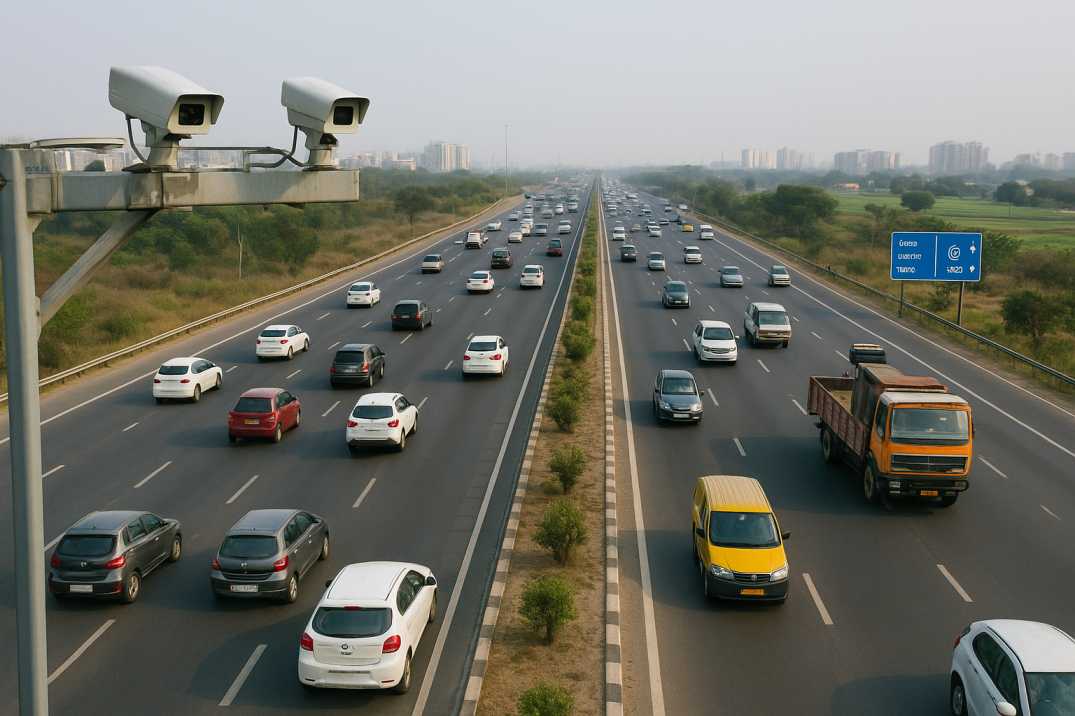
India's growing mobility demand means highways must perform reliably, withstand high axle loads, and maintain user safety. Traditional monitoring often struggles due to:
In today's infrastructure ecosystem, delays in identifying cracks, potholes, or drainage failures can quickly escalate into costly rehabilitation needs. As the old saying goes, "A small leak can sink a great ship." Early action is the key to preventing catastrophic failures.
IRC SP 55 lays down a structured, scientific approach to maintaining India's flexible pavements. Its core principles include:
2.1 Comprehensive Road Inventory Inspection
Capturing details such as:
This forms the baseline for all maintenance decisions and asset management activities.
2.2 Pavement Condition Surveys
Detailed evaluation of:
2.3 Rehabilitation Strategy Prioritisation
Decisions are based on:
2.4 Preventive Maintenance Over Reactive Repairs
IRC SP 55 emphasises proactive treatment to extend pavement life, reduce long-term costs, and improve ride quality. This includes:
2.5 Systematic Documentation
Maintaining comprehensive records of all inspections, treatments, and performance tracking for future reference and audit trails.
Together, these principles create a foundation for modern highway asset management in India.
Digital transformation has turned road inspections into data-rich, real-time, and high-precision processes. RoadVision AI integrates IRC SP 55 principles into next-generation applications, delivering practical, scalable value through its integrated suite of AI agents.
3.1 AI-Driven Road Inventory Inspection
The Roadside Assets Inventory Agent captures:
This makes baseline inventory creation significantly faster and more reliable than manual surveys, while eliminating data inconsistencies.
3.2 Intelligent Pavement Condition Monitoring
The Pavement Condition Intelligence Agent uses computer vision and digital twin models to detect:
These insights support preventive interventions exactly as IRC SP 55 recommends, enabling authorities to "fix it before it breaks."
3.3 App-Based Road Surveys
Field teams use mobile tools to:
This streamlines workflows, eliminates paperwork, and ensures data reaches decision-makers without delay.
3.4 Data-Driven Road Safety Audits
The Road Safety Audit Agent uses AI-based safety analytics to help engineers:
3.5 Integrated Traffic Survey Intelligence
The Traffic Analysis Agent provides AI-powered traffic assessments including:
These datasets support rehabilitation planning aligned with IRC SP 55's prioritisation guidelines, ensuring treatments are applied where they deliver maximum benefit.
3.6 Digital Twin for Holistic Asset Management
All data sources are integrated into comprehensive digital twins that enable:
In essence, RoadVision AI translates IRC principles into actionable data—making compliance practical, repeatable, and scalable across India's vast road network.
Despite digital advancements, some challenges remain:
4.1 Legacy Practices Persist
Many agencies still rely on manual surveys—slow, inconsistent, and difficult to scale across large networks. Transitioning to digital methods requires change management and demonstrated value.
4.2 Large Network, Limited Manpower
With millions of kilometres to inspect, manual assessments simply cannot keep pace with deterioration rates, leaving condition gaps that lead to unexpected failures.
4.3 Early Distress Often Goes Unnoticed
Surface cracks, drainage issues, and edge failures are sometimes detected too late, when repairs are 4-6 times more expensive than preventive treatments.
4.4 Data Integration Issues
Multiple contractors, agencies, and formats make standardisation difficult without a unified platform—creating data silos that prevent network-wide analysis.
4.5 Budget Constraints
Limited maintenance funding requires precise prioritisation, but without accurate data, resources may be misallocated to less critical sections.
4.6 Skilled Workforce Availability
Trained pavement engineers are in short supply, especially in smaller districts and remote areas.
AI accelerates progress, but adoption consistency across states and agencies is key to unlocking nationwide impact. RoadVision AI addresses these challenges through scalable deployment, user-friendly interfaces, and comprehensive training support.
India's roads are evolving at breakneck speed under programmes like Bharatmala and PMGSY—and so must the methods used to maintain them. By aligning IRC SP 55, road inventory inspections, and AI-powered digital twins, the nation can build highways that are reliable, durable, and safe for the millions who depend on them daily.
RoadVision AI stands at the forefront of this transformation. Its advanced AI and computer vision systems through the Roadside Assets Inventory Agent, Pavement Condition Intelligence Agent, Road Safety Audit Agent, and Traffic Analysis Agent enable:
As the proverb goes, "The best time to repair the roof is before it starts raining." RoadVision AI empowers engineers and authorities to act early, cut costs, reduce risks, and create a future-ready Indian road network that supports the nation's economic growth and social development.
To explore how RoadVision AI can modernise your road inventory inspection and maintenance strategies, book a demo with RoadVision AI today and discover the future of intelligent road asset management.
Q1. What is IRC SP 55 and why is it important?
It is a guideline issued by the Indian Roads Congress for maintenance and rehabilitation of flexible pavements, ensuring standardised practices across India.
Q2. How does road inventory inspection support asset management?
It provides accurate data about road assets, helping authorities prioritise repairs, allocate budgets, and improve safety.
Q3. Can app based road surveys replace manual surveys?
Yes. They ensure faster, more accurate, and GPS-enabled data collection, aligning with IRC SP 55 standards and modern asset management practices.

The Autonomous Road Engineer
AI-powered road condition monitoring, asset management, & infrastructure intelligence helping agencies move from reactive maintenance to predictive road management.


.webp)
.webp)
.webp)