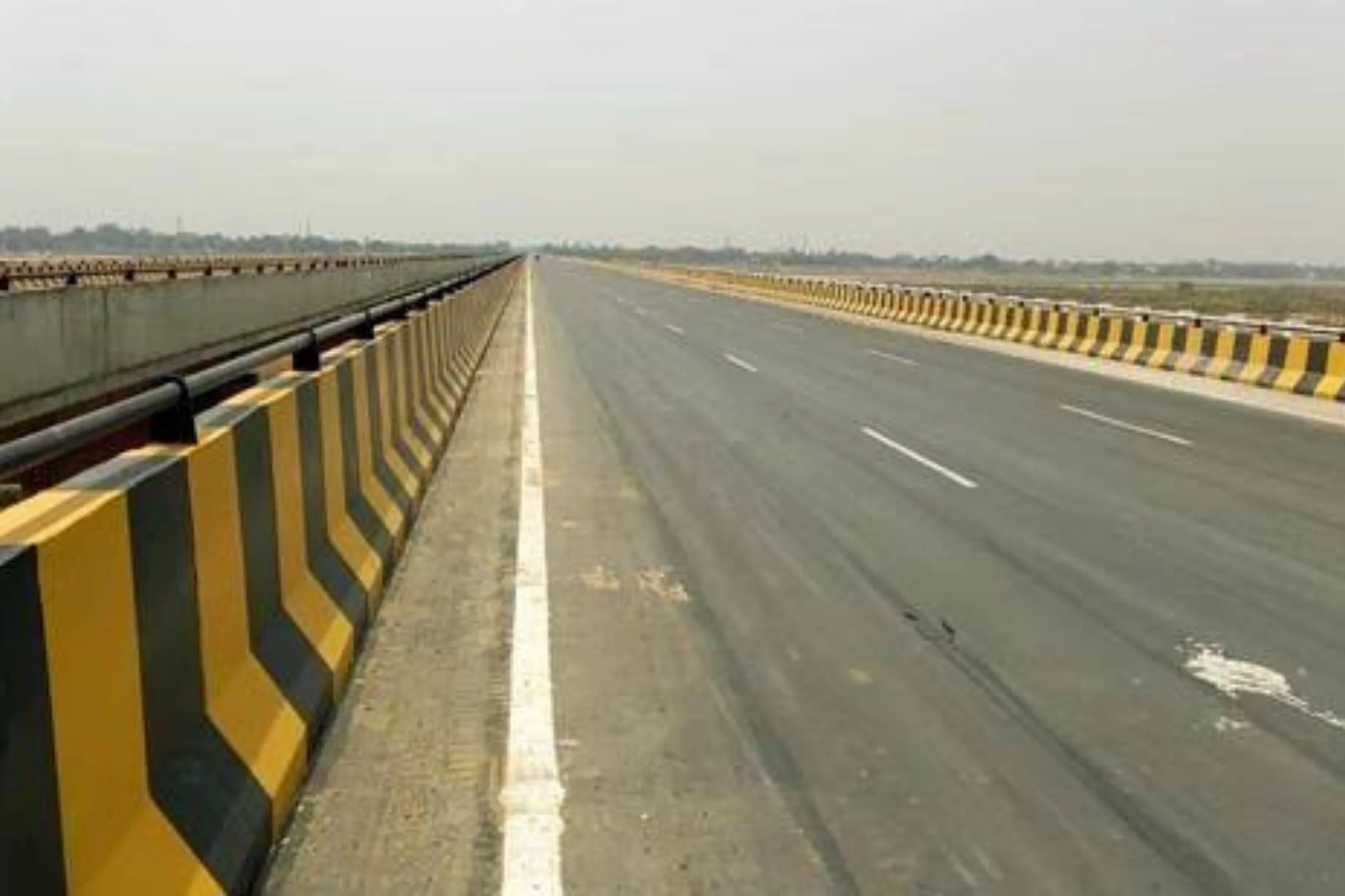
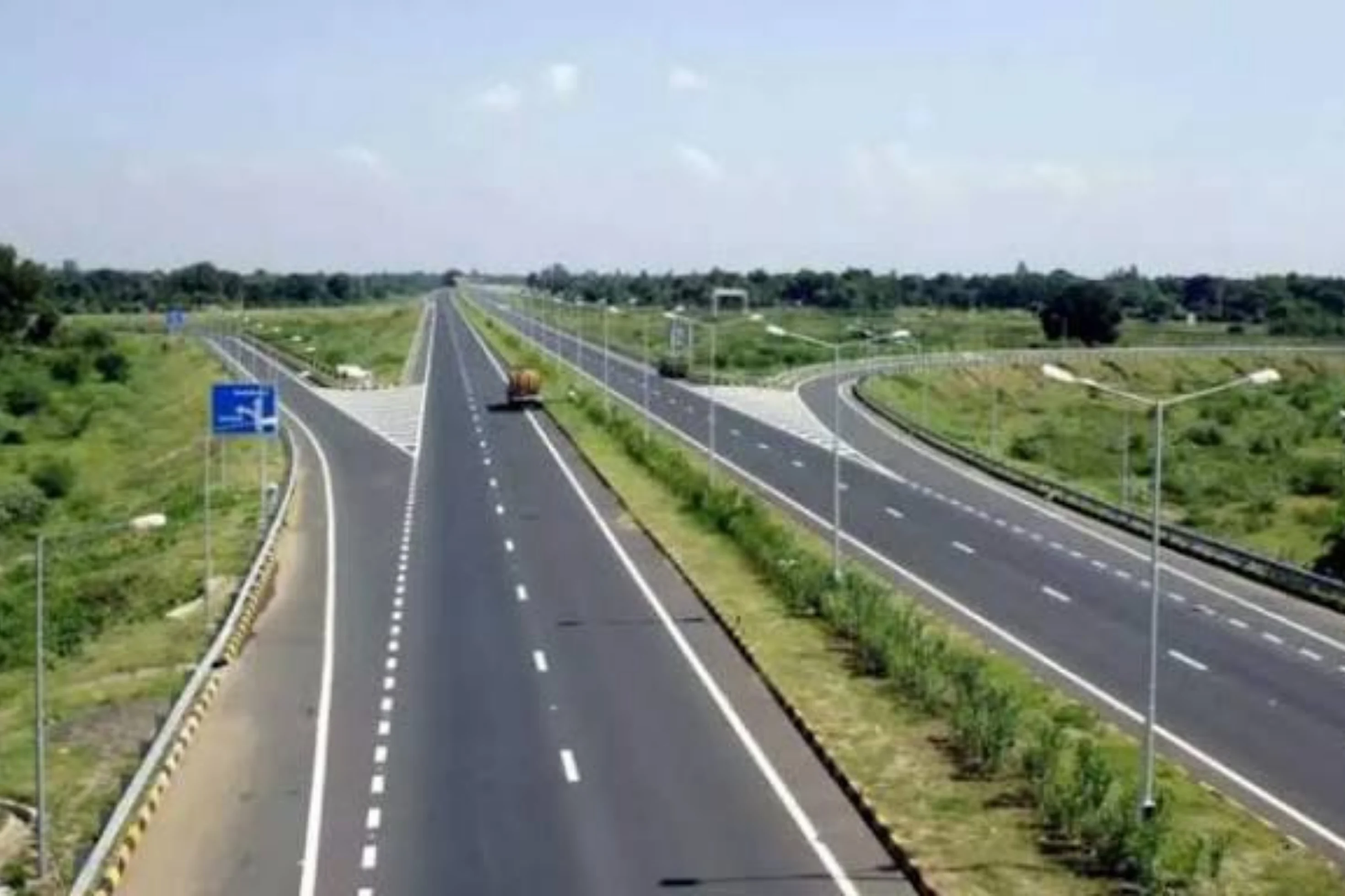
This is a project-level account from RoadVision AI's road survey programme for NHAI's Patna Regional Office, covering the 2-lane with paved shoulders (2L PS) stretch of Biharsharif – Barbigha – Mokama, from km 94.478 to km 149.053 of NH-33 (old NH-82), in Bihar. It sets out what the survey window of 13 to 16 July 2026 found, and why a road already in routine maintenance is exactly where an independent condition record earns its keep.

This stretch of NH-33 (old NH-82) runs from Biharsharif through Barbigha to Mokama, covering 54.575 km between km 94.478 and km 149.053. It is a 2-lane highway with paved shoulders. The survey record carries 54.14 km of road, divided into 542 segments at a 100 m chainage interval.
In the survey programme the corridor is tracked under the Gaya PIU of the Patna Regional Office, and is surveyed as part of a weekly survey cycle. Because every finding is tied to a chainage, the road can be read stretch by stretch rather than as a single average.
As publicly reported by NHAI, the stretch was upgraded to 2-lane with paved shoulders under an EPC contract awarded at ₹297.27 crore (total capital cost ₹662.91 crore). Construction began on 6 October 2017, and the Provisional Commercial Operation Date was achieved for 44.54 km on 13 March 2020. A separate item-rate contract of ₹1.05 crore now covers routine daily civil maintenance, which began on 16 May 2025 and has a stated completion timeline of 16 November 2026. Once a road is built and handed over, the first things to wear are the ones road users depend on most after dark: markings, lighting and clear edges. A consistent, chainage-tied record shows what is wrong, how urgent it is, and whether it has been put right by the next survey.
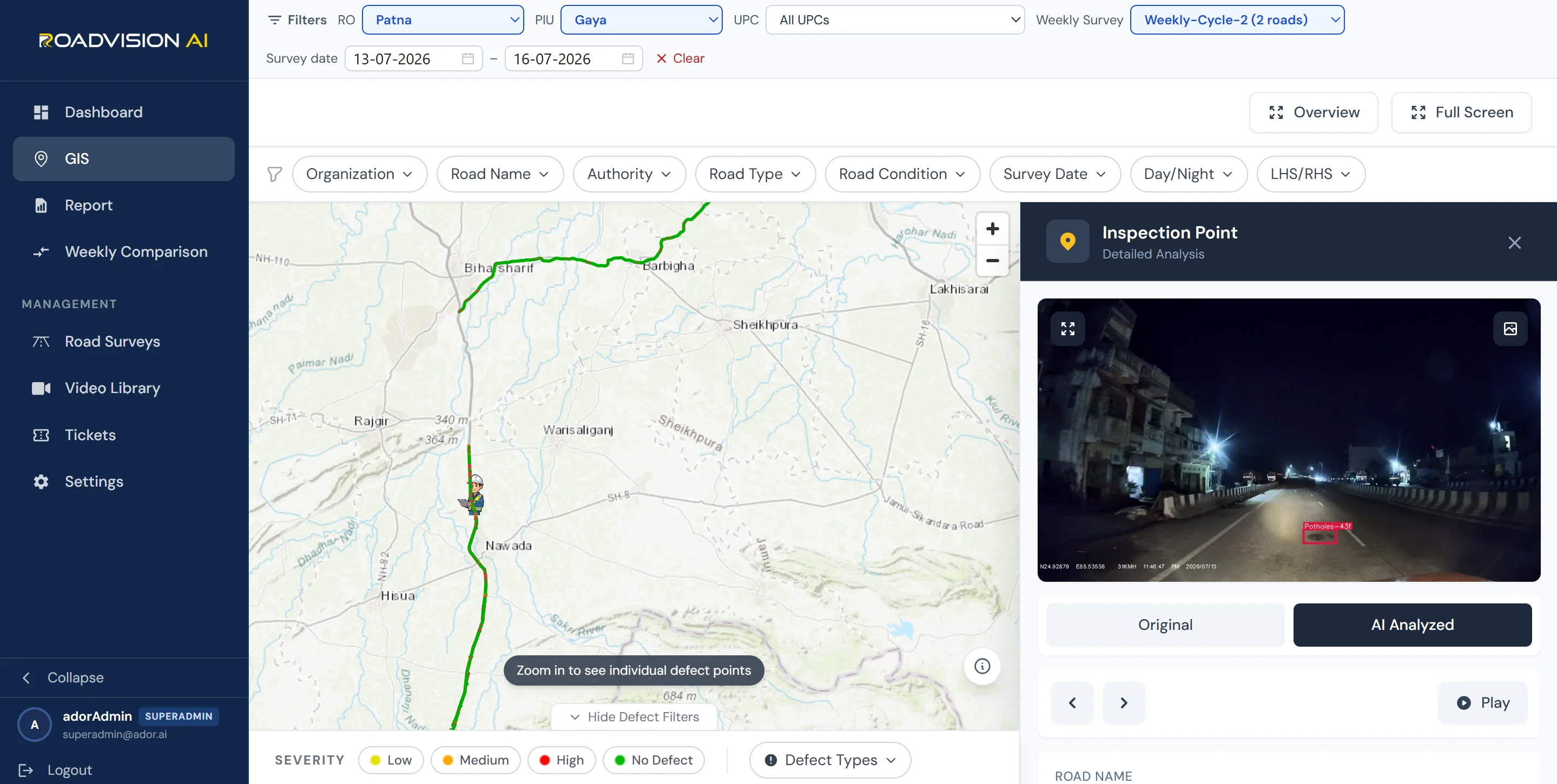
Every finding sits on a live GIS map, with each inspection point opening to its exact location, the defect flagged, and the frame behind it in both original and AI-annotated form. Figure 1 shows the highway for the survey window of 13 to 16 July 2026, running from Biharsharif through Barbigha, with an inspection point captured close to midnight on 13 July and flagging a pothole. A night frame is a reminder that the survey records conditions as road users meet them, after dark as well as by day.
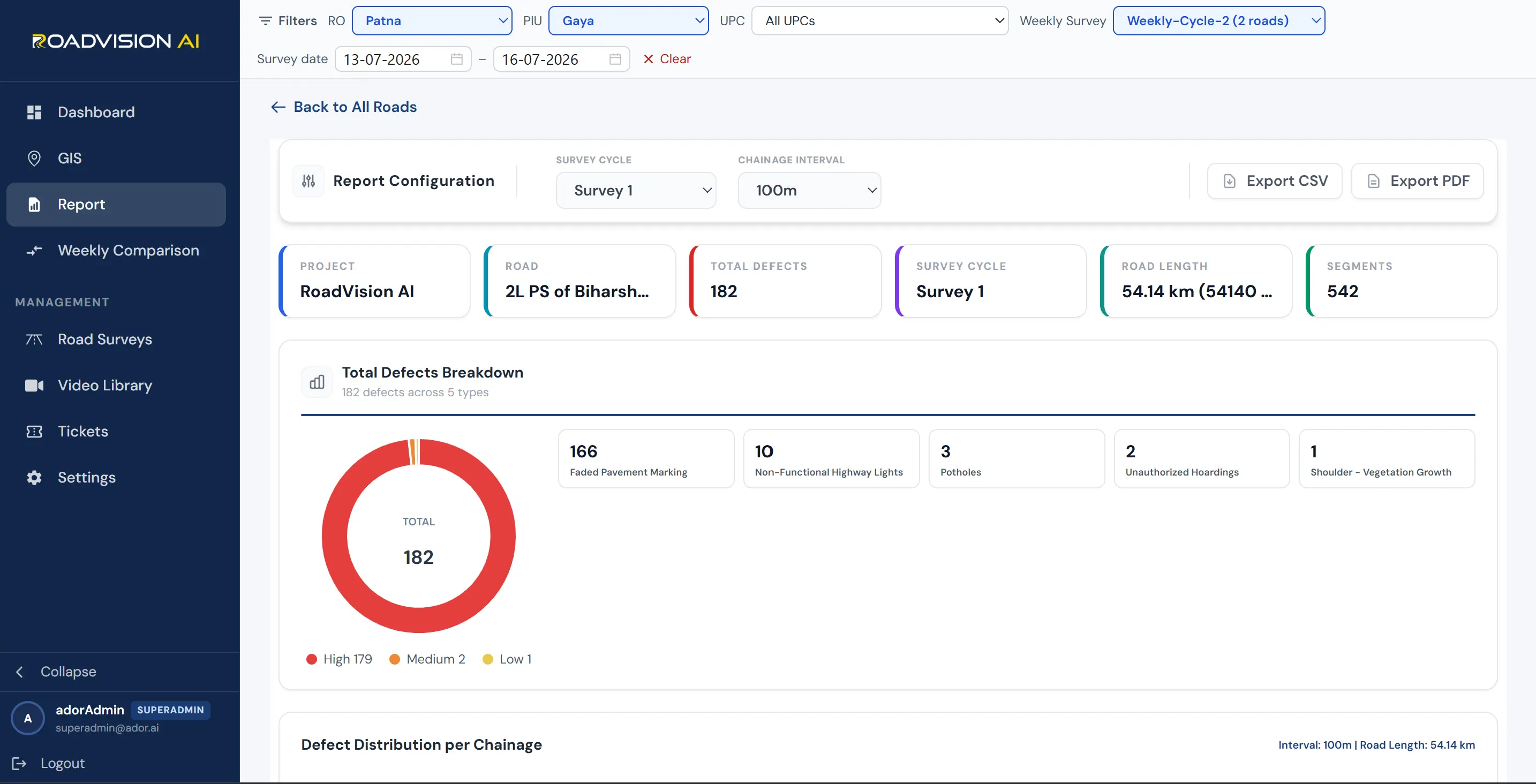
The survey window of 13 to 16 July 2026 (Survey 1, Weekly-Cycle-2) covered 54.14 km across 542 segments. RoadVision AI logged 182 defects across five types. Faded pavement marking accounts for 166 (91.2%), non-functional highway lights for 10 (5.5%), potholes for 3 (1.6%), unauthorized hoardings for 2 (1.1%) and shoulder vegetation growth for 1 (0.5%). By severity, 179 defects are High, 2 Medium and 1 Low.
Each survey gives the Gaya PIU and the Patna Regional Office a defect ID, chainage and survey reference for every finding, independent of the agency doing the work. With the routine maintenance contract running to 16 November 2026, a later survey of the same chainage shows whether each finding has been closed out, so that verification does not rest on the maintaining agency's own account.
RoadVision AI is committed to continuous AI-based monitoring along NH-33 (old NH-82) from Biharsharif through Barbigha to Mokama, giving NHAI a consistent, chainage-level record of a corridor that carries traffic day and night. Keeping that record current, survey after survey, is how a maintenance contract can be shown to be doing its job.

The Autonomous Road Engineer
AI-powered road condition monitoring, asset management, & infrastructure intelligence helping agencies move from reactive maintenance to predictive road management.